
Laser Solutions for the Medical Industry
Laser Welding MachineLaser Processing Solutions for Medical Device Industry in the Medical SectorLaser processing technology, with its high precision, non-contact nature, cleanliness, efficiency, and excellent processing consistency, has become an indispensable core process in the manufacturing of modern high-end medica...
方案详情:
Laser Processing Solutions for Medical Device Industry in the Medical Sector
Laser processing technology, with its high precision, non-contact nature, cleanliness, efficiency, and excellent processing consistency, has become an indispensable core process in the manufacturing of modern high-end medical devices. It provides a complete solution to meet the stringent requirements of medical devices for extreme precision, strict biocompatibility, absolute sterile cleanliness, and adaptability to complex materials.
I. Precision Manufacturing and Micro-processing
This dimension focuses on realizing the core structure and function of devices, requiring micron-level precision and perfect forming.
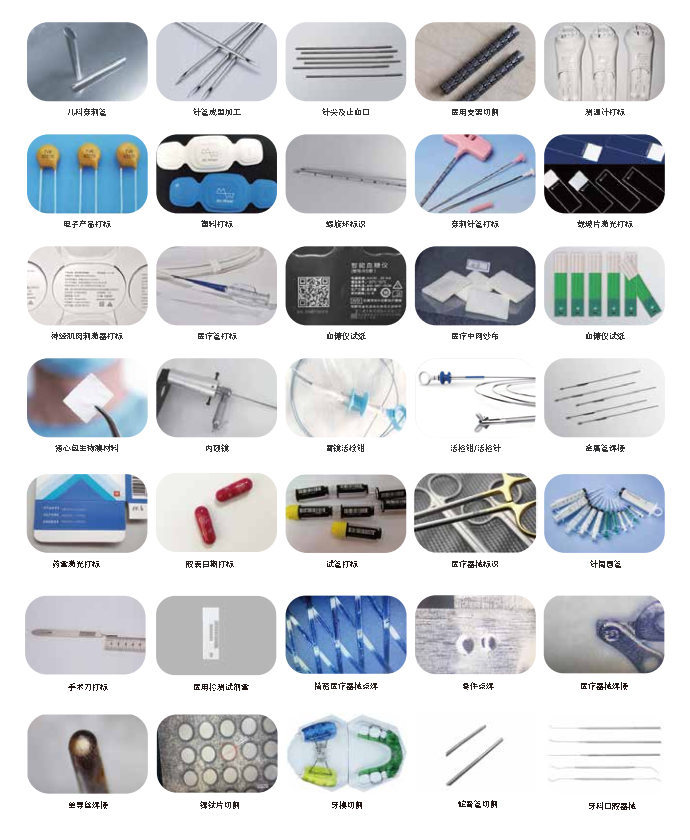
Laser Cutting: Used for cutting ultra-fine components such as cardiovascular stents, precision surgical blades, parts for minimally invasive surgical instruments, and biosensors. Particularly for shape memory materials like nitinol, ultrafast lasers (picosecond/femtosecond) enable nearly heat-affected zone-free "cold processing," avoiding material phase transformation and thermal damage, thereby ensuring the structural integrity and fatigue life of implants like stents.
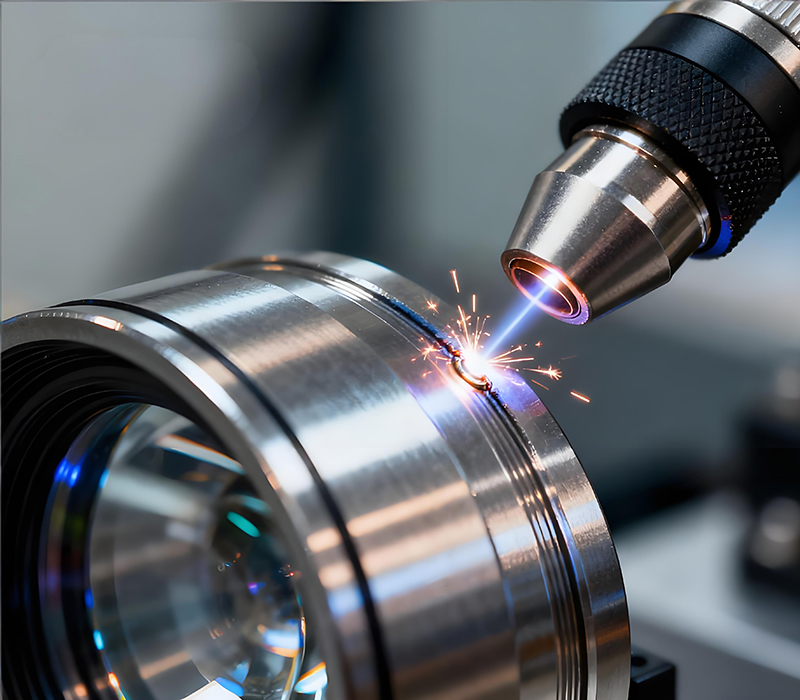
Laser Welding: Applied in situations requiring extremely high sealing, such as pacemaker casings, insulin pump reservoirs, endoscopic lumens, and bone drills. It produces narrow, high-strength welds with minimal deformation, enabling hermetic or watertight seals and ensuring the welded area is smooth and pore-free to prevent bacterial growth.
Laser Drilling: Used for processing ultra-high-precision micro-holes needed in drug delivery nozzles, dialysis membrane micropores, and guidewire tips. Hole diameters can be as small as a few micrometers, with controllable hole shapes and smooth inner walls, free of burrs or residue.
II. Surface Treatment and Functionalization
This dimension concerns the safety, traceability, and bio-functionality of devices, directly impacting clinical application.
Laser Marking (Engraving): Utilizes UV or fiber lasers to permanently mark information such as UDI (Unique Device Identification), serial numbers, and specifications on the surfaces of surgical instruments, implants (e.g., joints, dental implants), and catheters. The markings withstand high-temperature/pressure sterilization and corrosion, are non-contact, introduce no stress or contamination, and fully comply with FDA/CE traceability regulations.
Laser Cleaning and Polishing: Pulsed lasers can precisely remove oxide layers, coatings, contaminants, and micro-burrs from medical device surfaces, achieving high cleanliness in preparation for subsequent coatings (e.g., hydroxyapatite coating) or implantation. Laser polishing can achieve a mirror finish on metal surfaces, significantly reducing the risk of bacterial adhesion.
Surface Structuring (Modification): By creating specific micron or nano-scale textures (e.g., grooves, pits) on implant surfaces via laser, it can directionally regulate the adhesion, proliferation, and differentiation behavior of cells (e.g., osteoblasts), promote osseointegration, and enhance the long-term stability and therapeutic efficacy of implants.
III. Technological Innovation and Future Directions
Laser technology is deeply integrating with medical needs, driving industry progress.
Multi-material and Composite Processing: Addressing the composite structures of polymers, ceramics, specialty metals, and biodegradable materials (e.g., PLLA) in medical devices, laser parameters can be flexibly adjusted to achieve reliable joining and precision processing of dissimilar materials.
Intelligent and Automated Integration: Integrated with machine vision, robotics, and online monitoring systems, laser processing units can achieve fully automated production, ensuring 100% traceable and consistent processing quality for each medical device, especially high-value consumables.
Meeting the Highest Cleanliness Standards: Laser processing itself involves no tool wear or chemical additives. Combined with a cleanroom environment, it enables the production of devices that meet GMP (Good Manufacturing Practice) and the highest-grade requirements for implants.
Summary: Laser processing solutions span the entire chain of medical device manufacturing—from raw material forming and core component fabrication to final surface marking and functionalization. With its digital, flexible, and ultra-precise characteristics, it has become a key technological cornerstone propelling medical devices towards greater minimally invasiveness, intelligence, and personalization.
联系我们
我们很乐意听取您的意见,并承诺不会发送垃圾邮件